Search Bag Bookmark Chat User X-cross Grid List Facebook Twitter Instagram

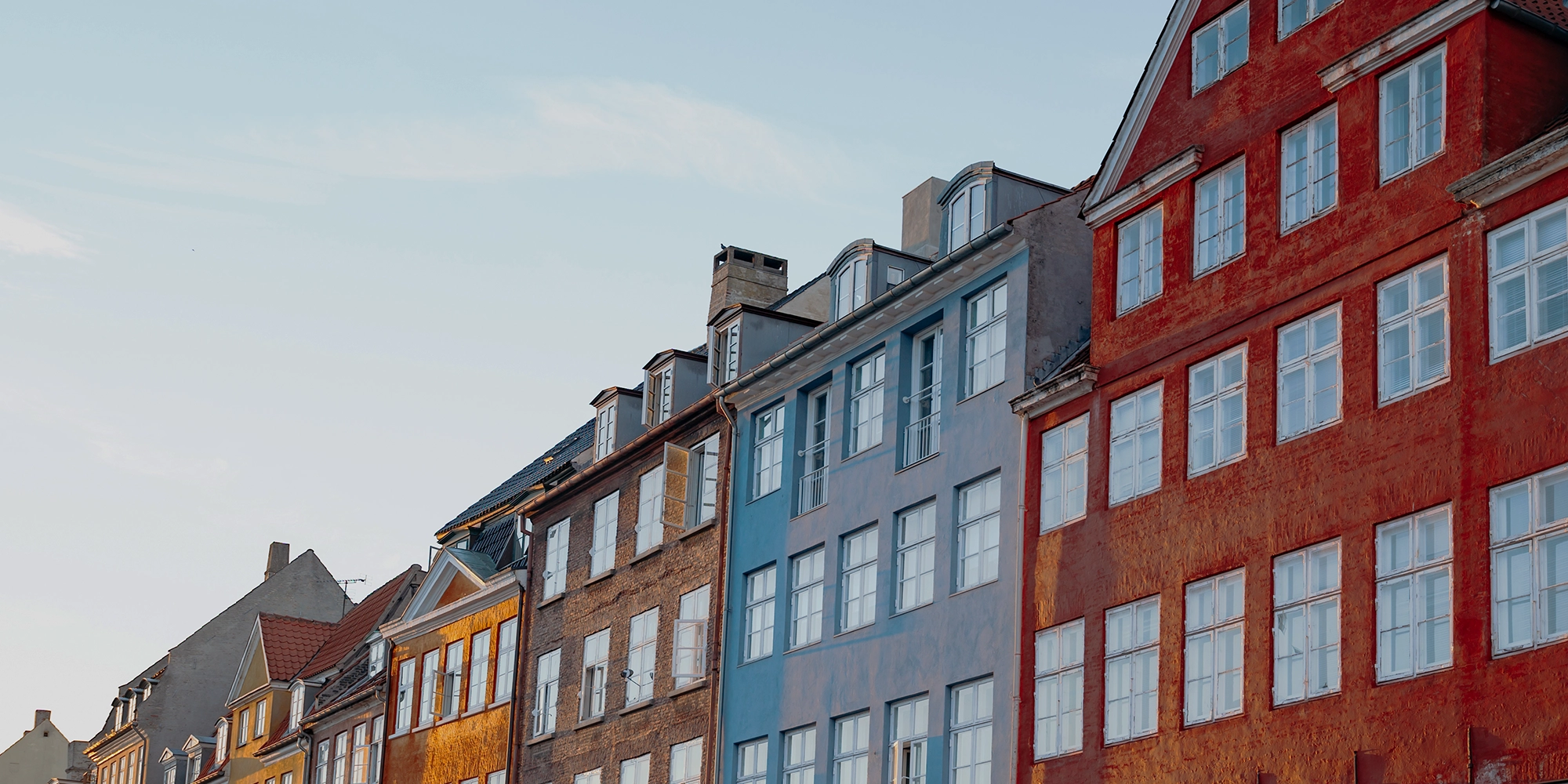
Copenhagen is a city that grew up debating the perfect curve of a chair leg and the weight of a door handle, that produced Wegner and Jacobsen and Finn Juhl and then kept going. Beautiful design is everywhere, most of it deliberately off the beaten track, and it rewards those willing to look.

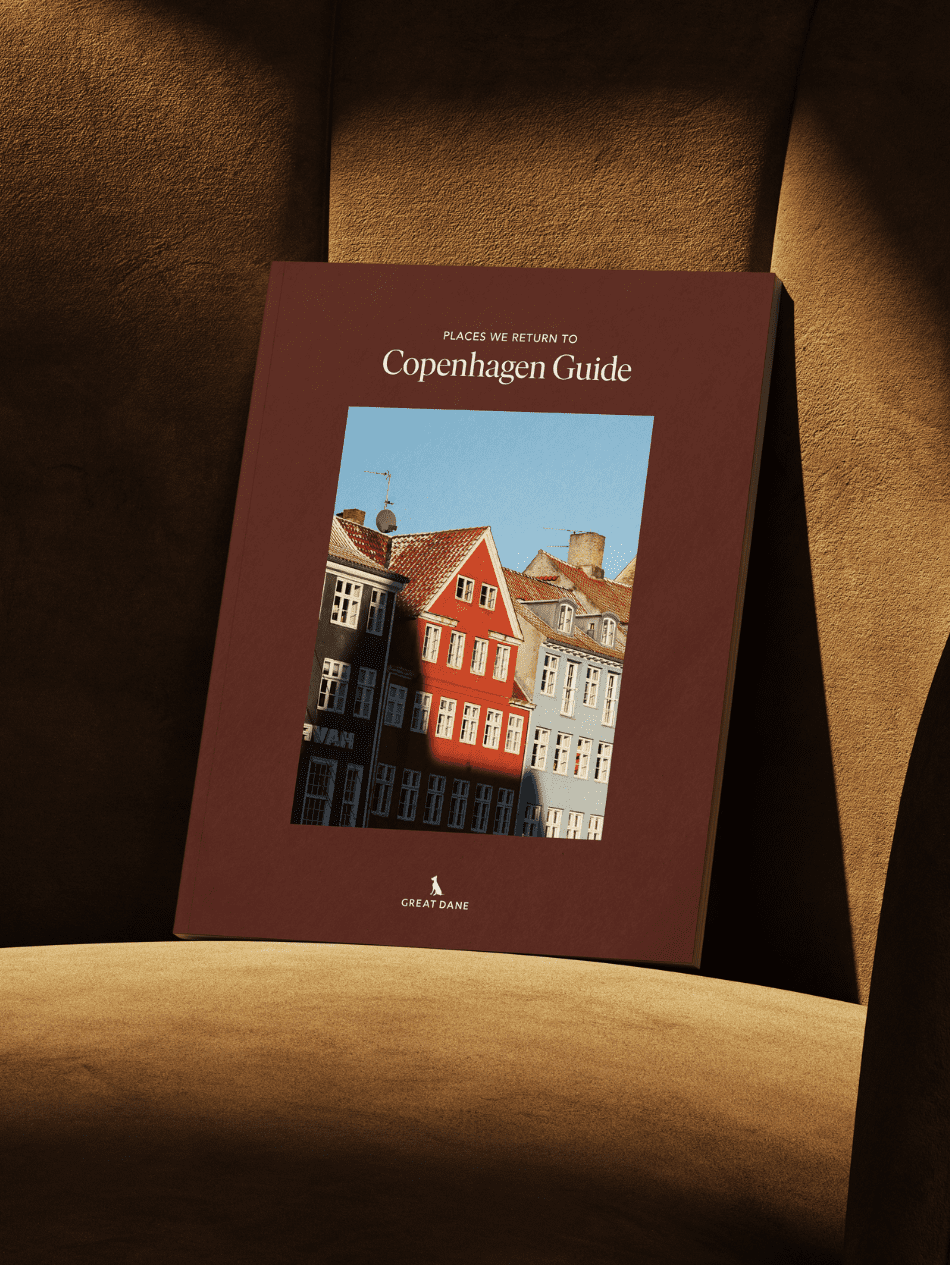
GREAT DANE'S GUIDE TO COPENHAGEN

A collection of places that have stayed with us over 25 years of returning to the city, gathered through local recommendations, memorable exhibitions, and time spent getting a little lost.

GET THE GUIDE

DESIGNED TO BE LIVED WITH

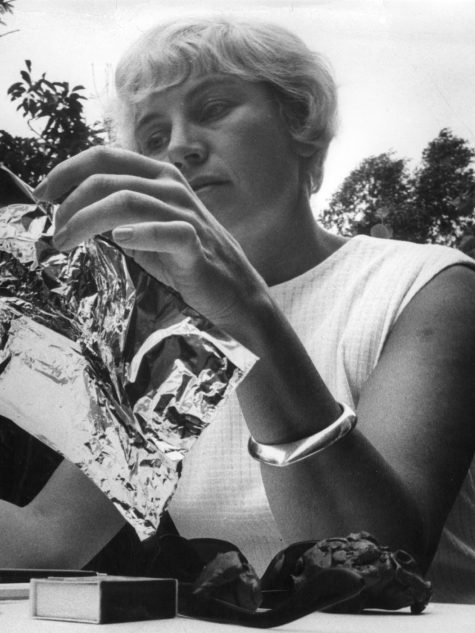
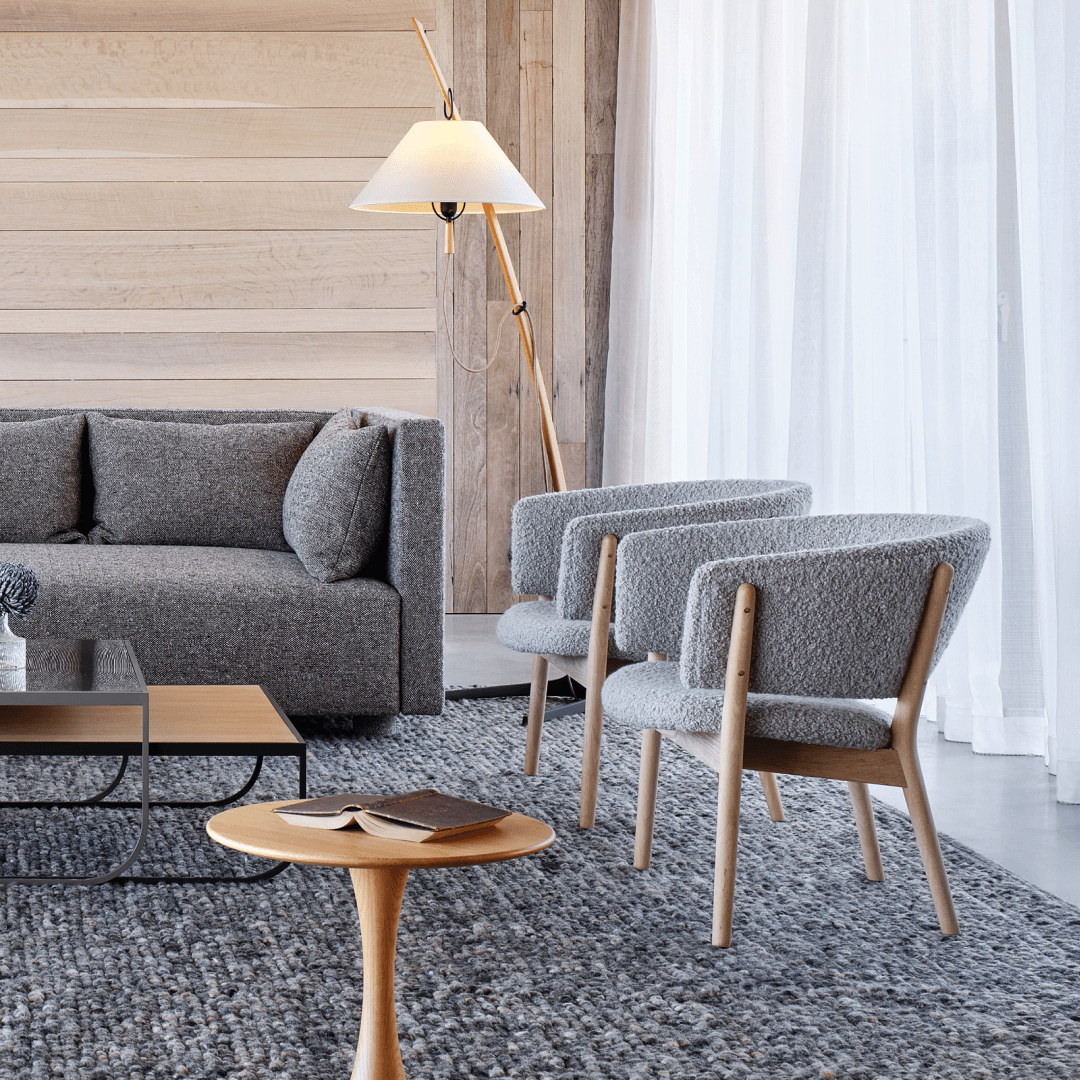
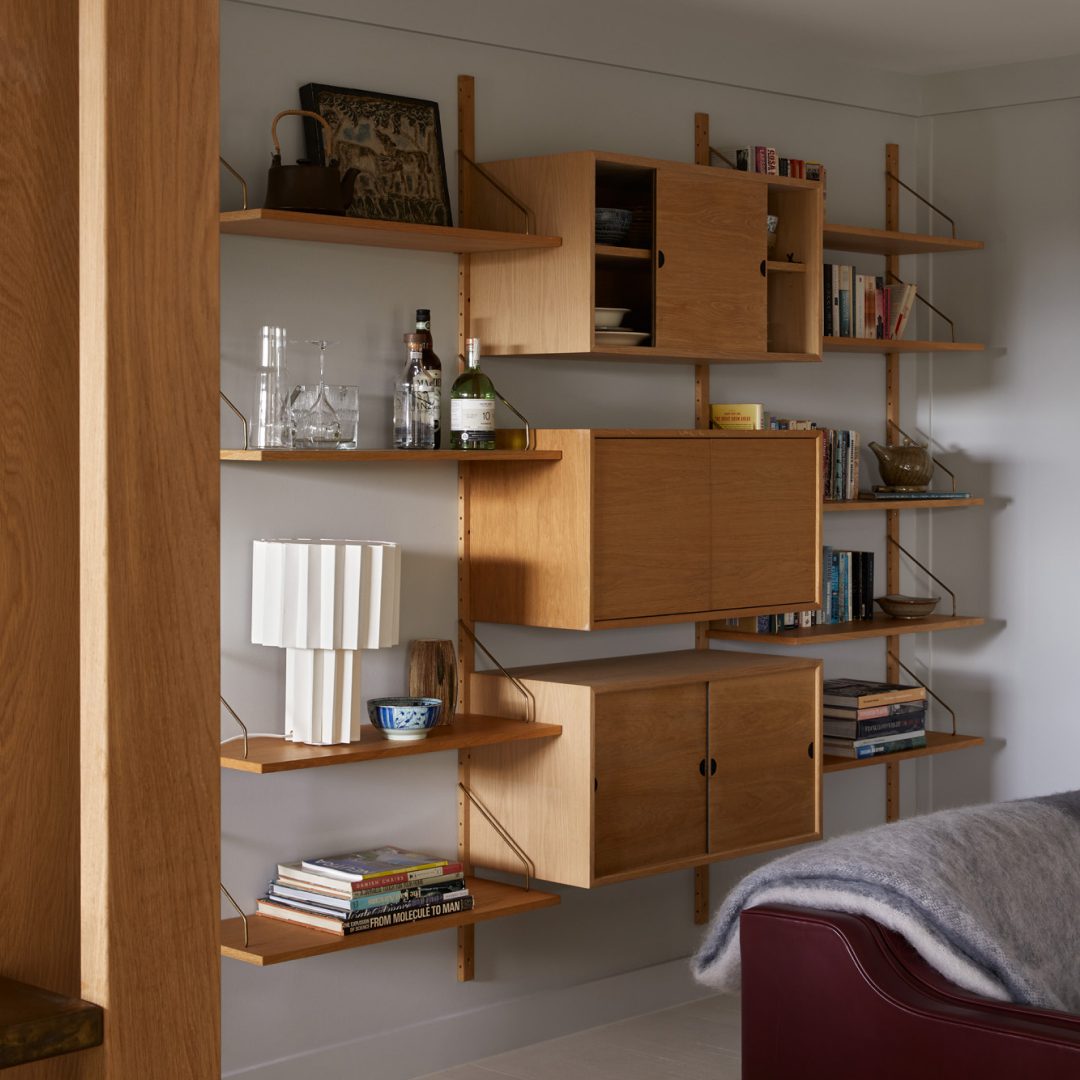
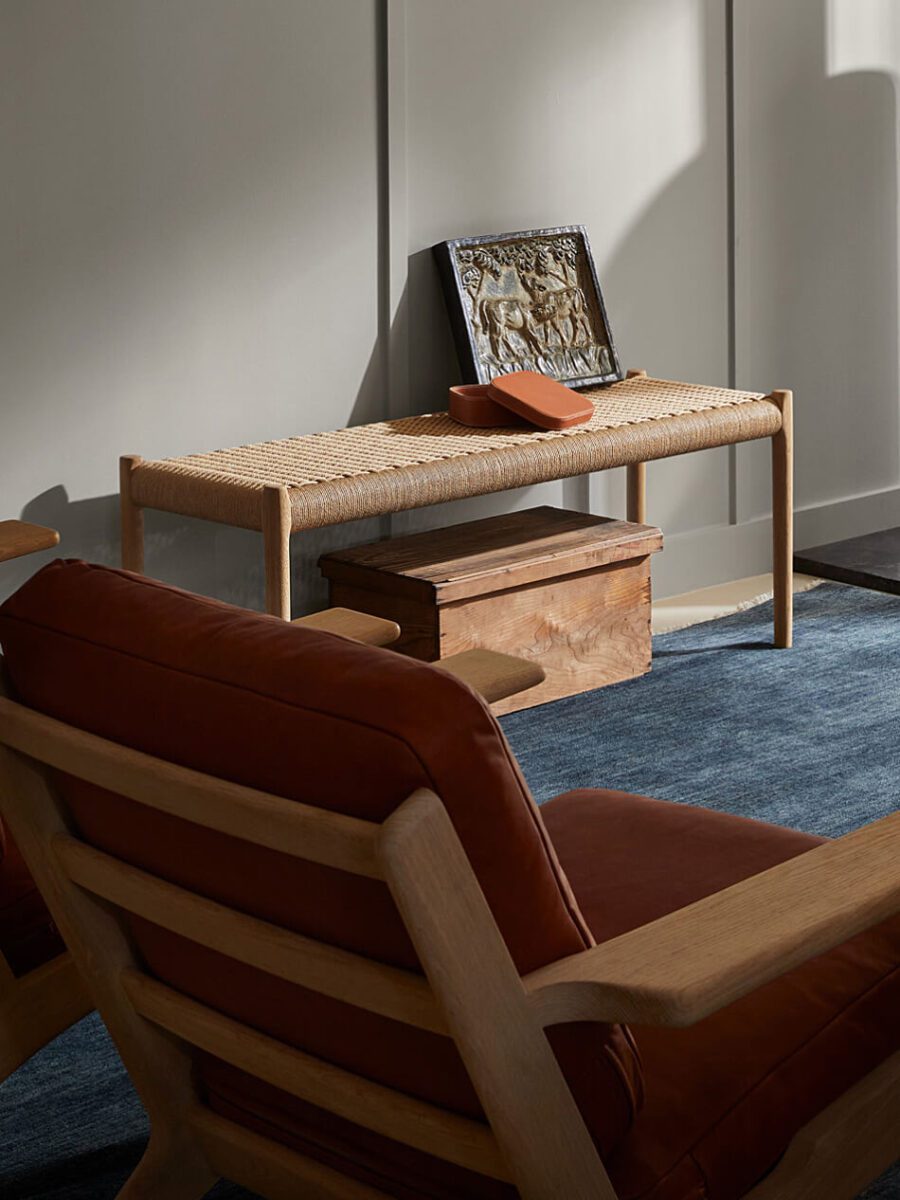
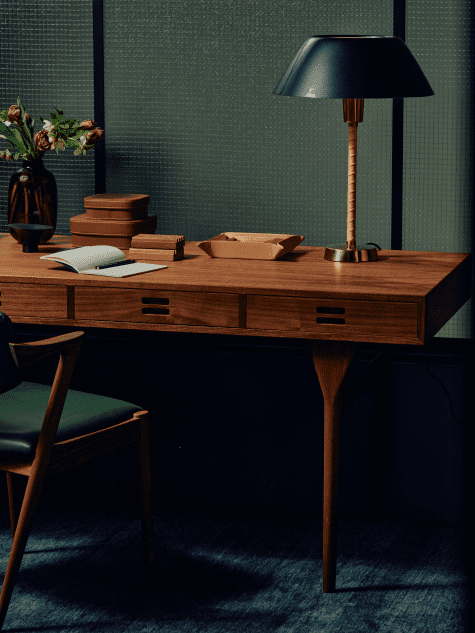
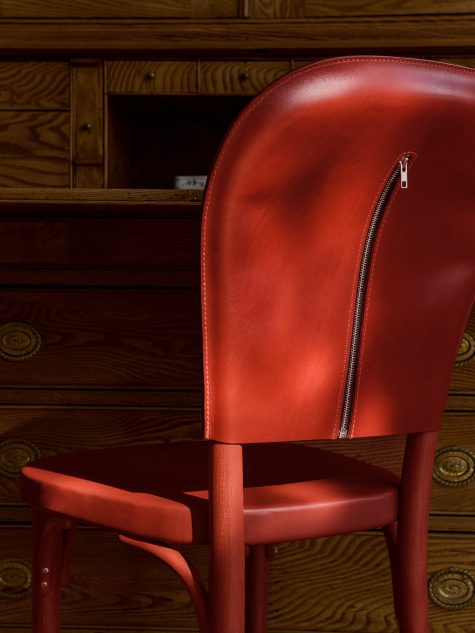
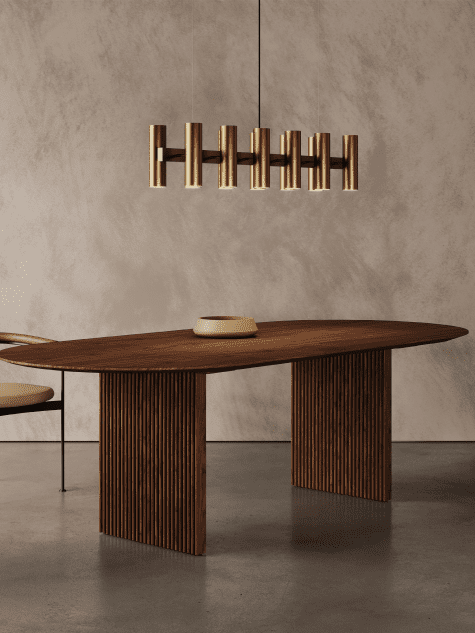
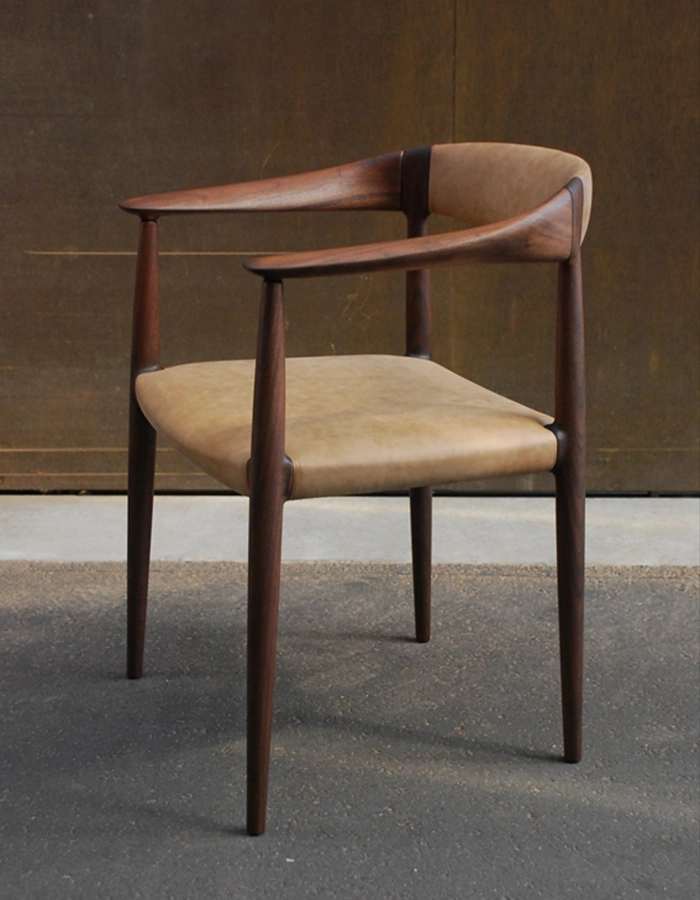
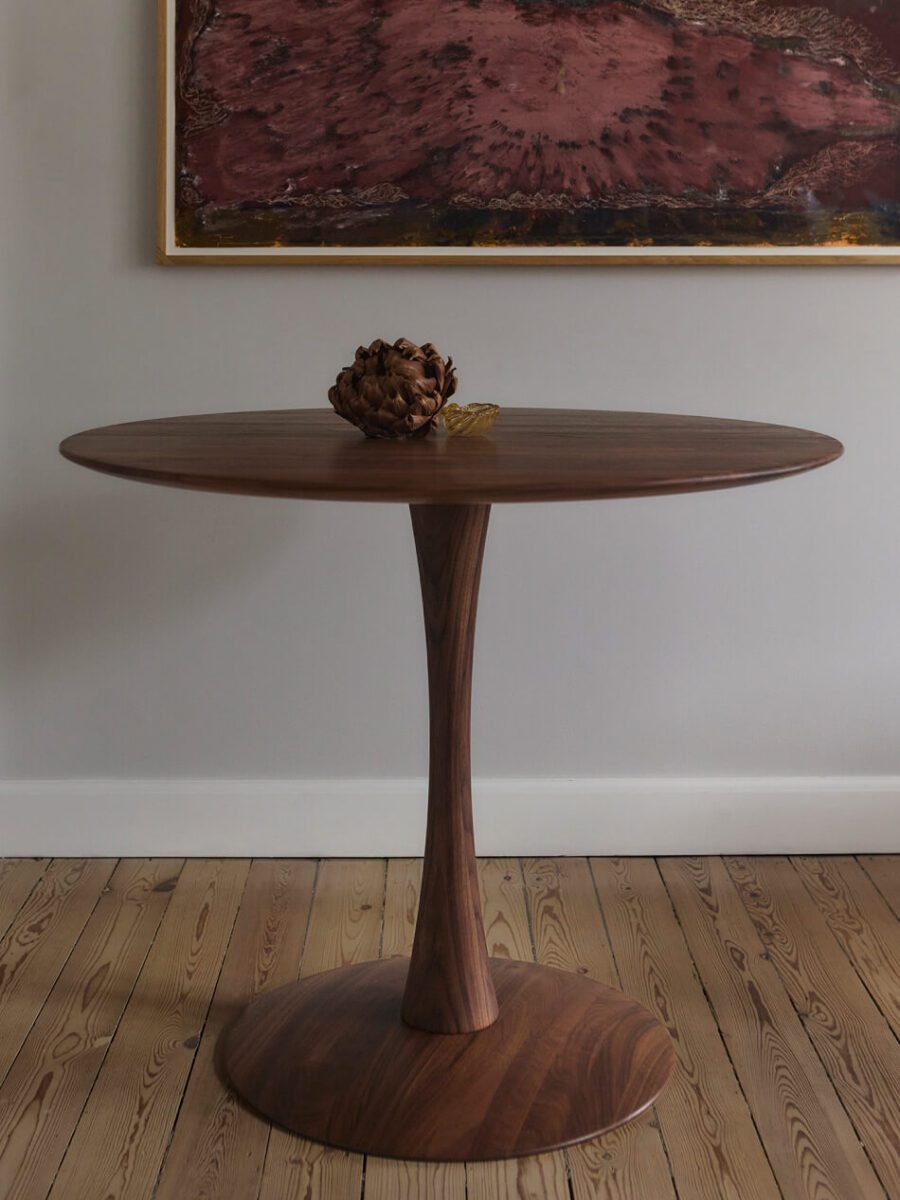
Much of what we now recognise as Danish design came from a quiet understanding between designer and the person who would eventually live with it. Arne Vodder, Nanna Ditzel, and Poul Cadovius were not simply drawing beautiful objects, they were thinking about how people would interact with them. Form was considered alongside comfort, function, material and the skill required to make the thing properly. The beauty was in getting things right.

THE HAND OF THE MAKER

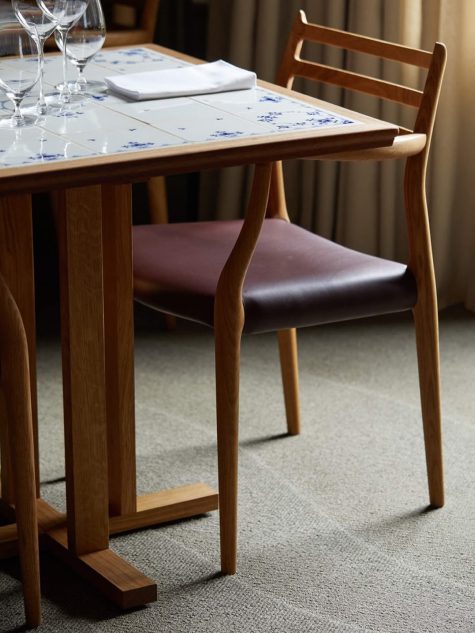
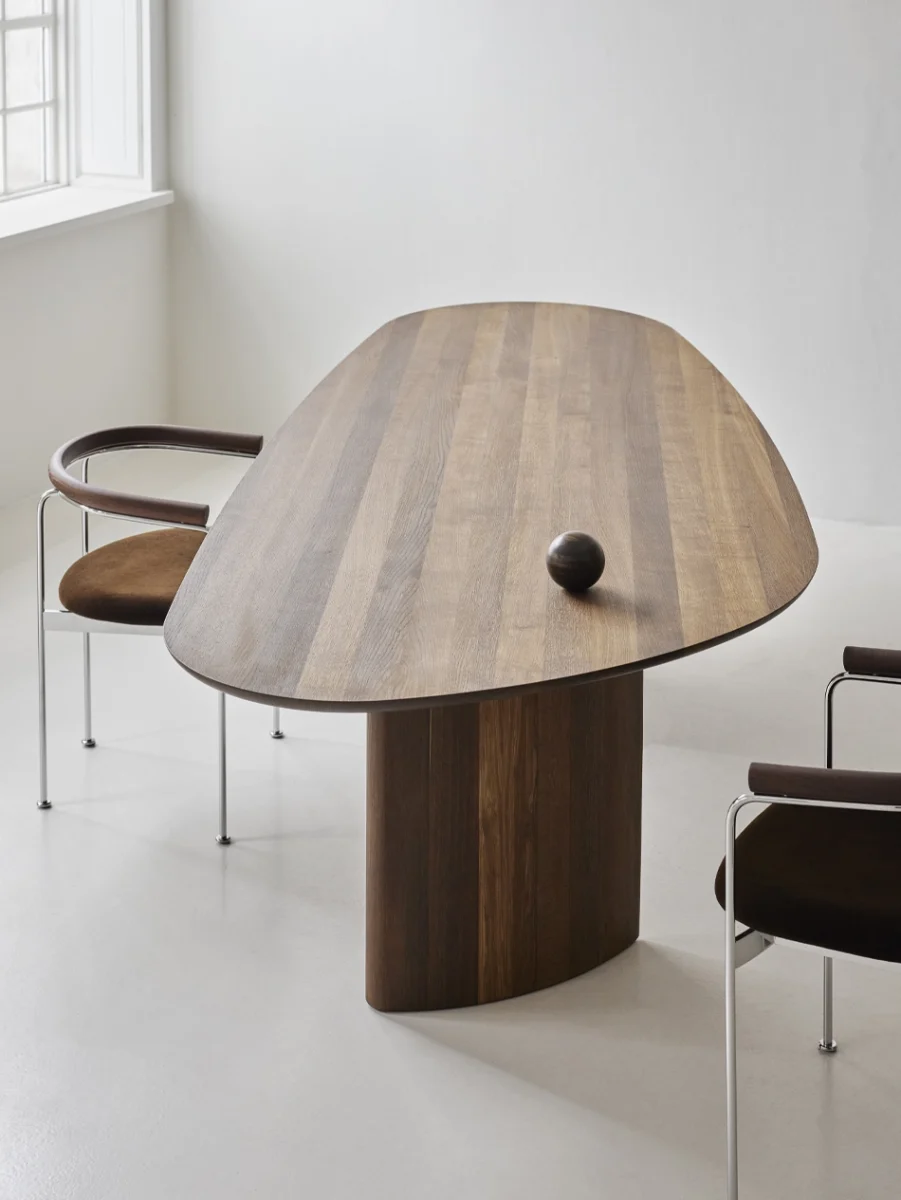
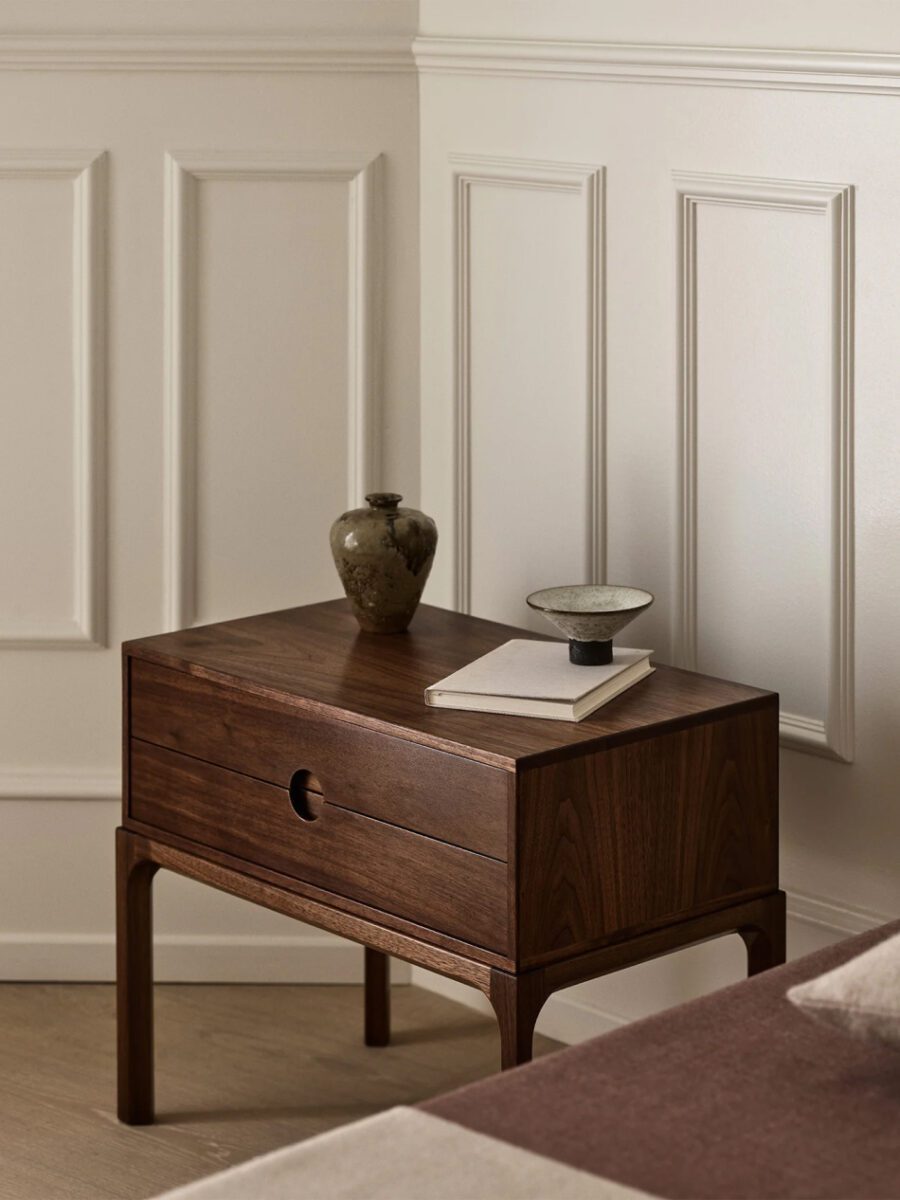
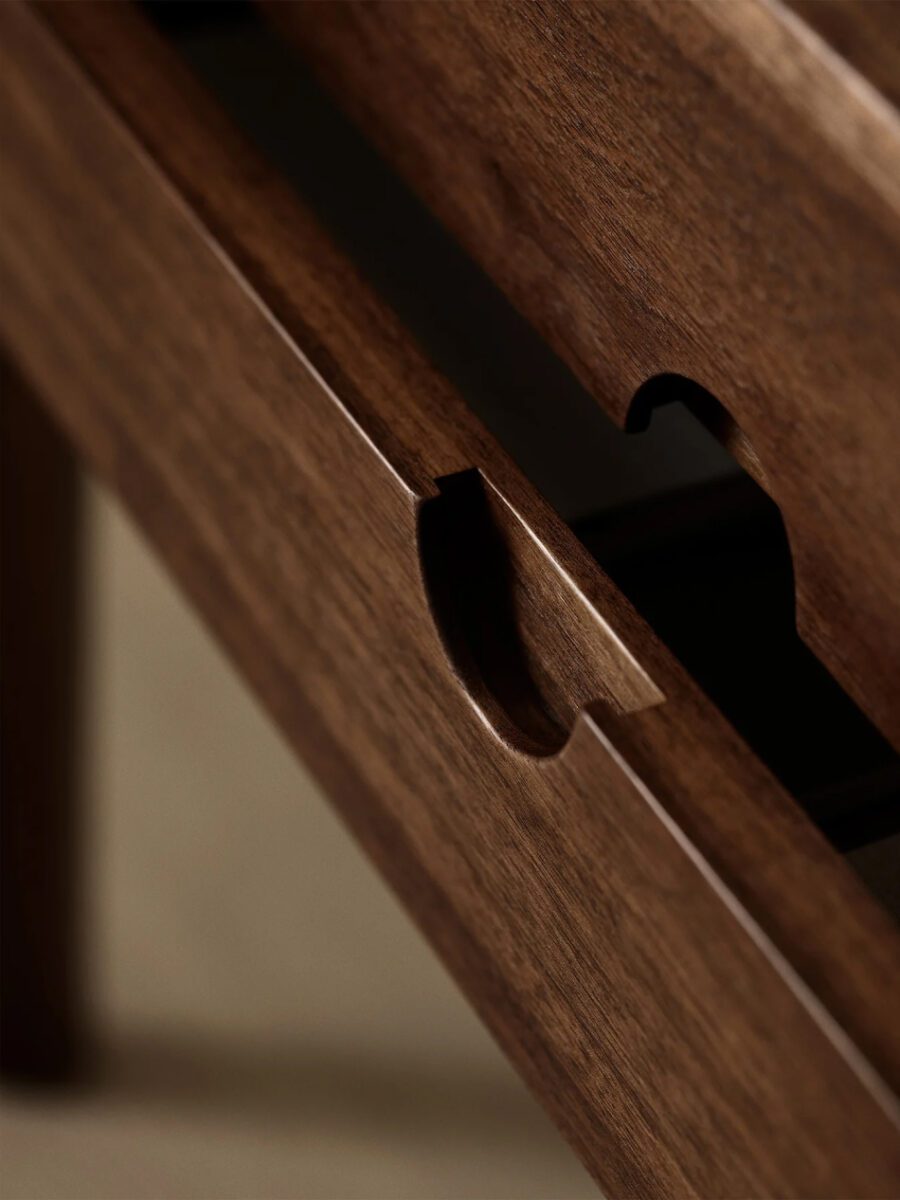
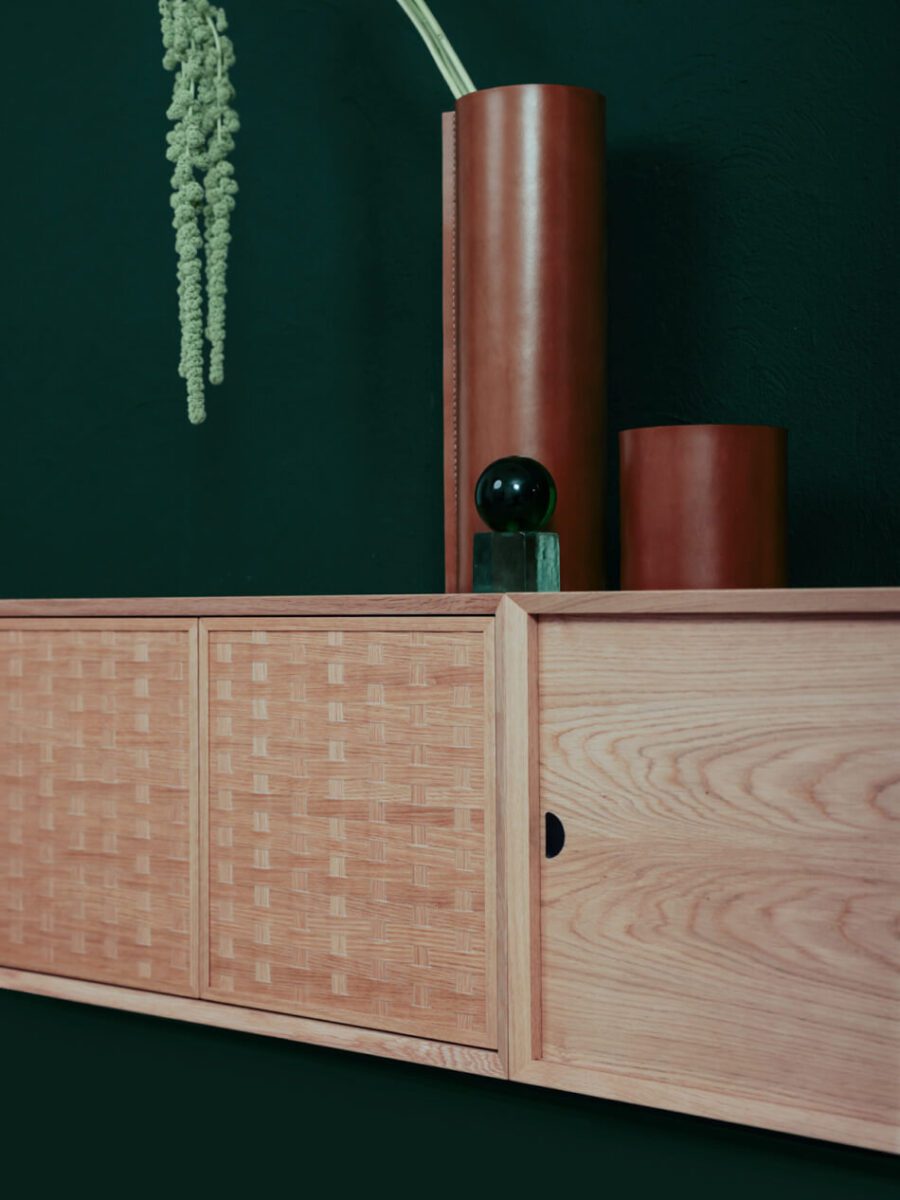
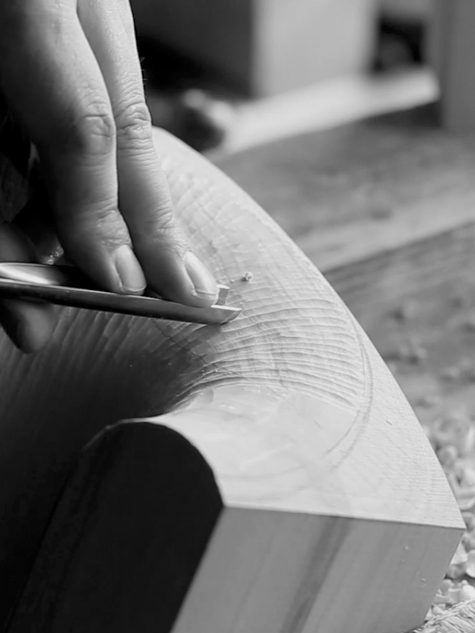
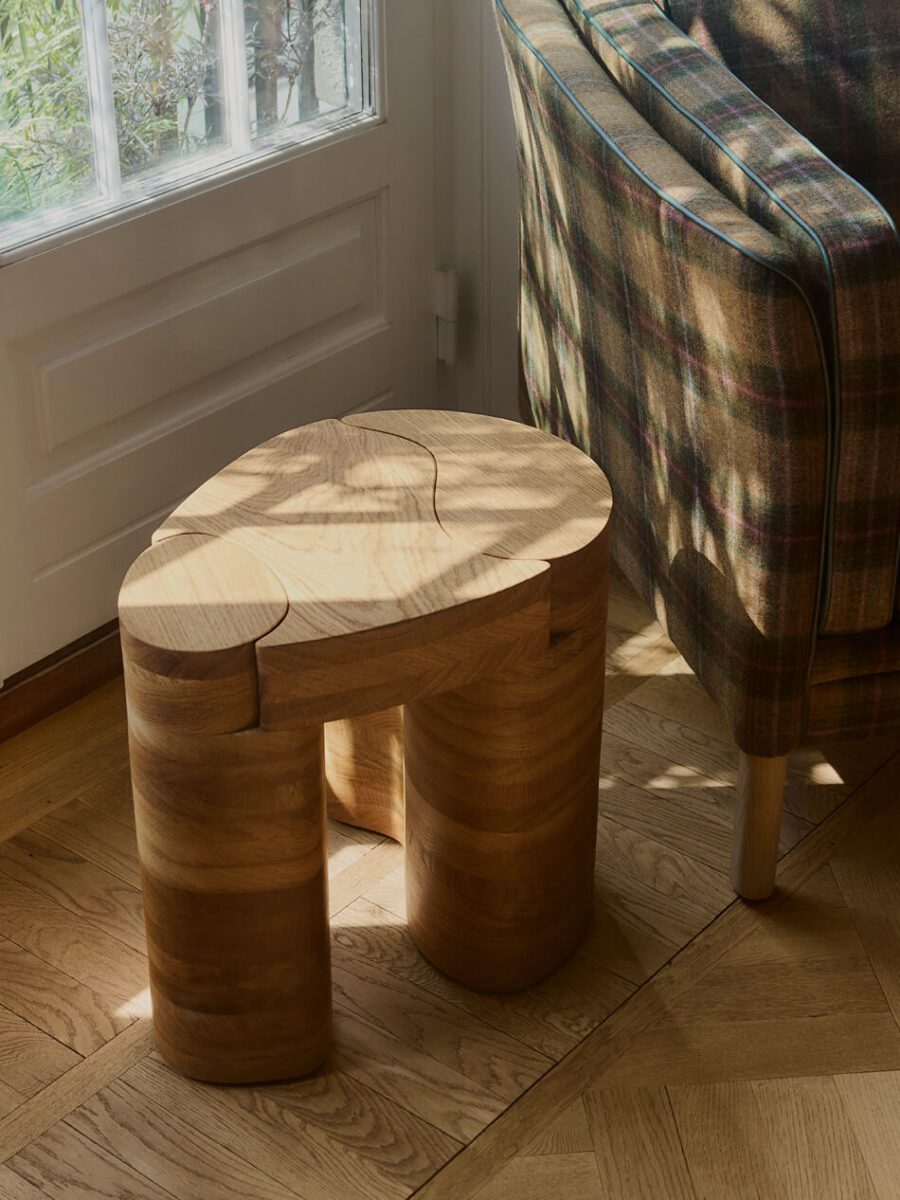
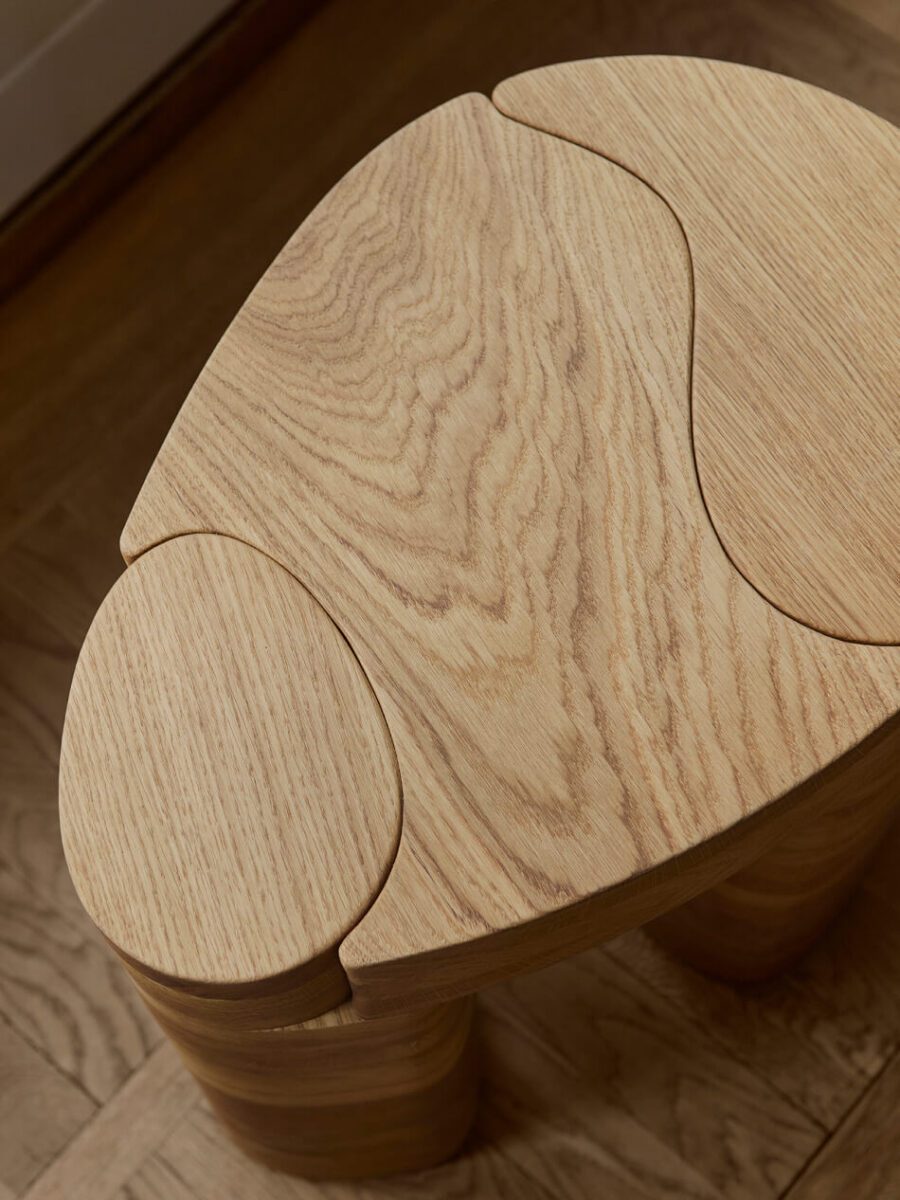
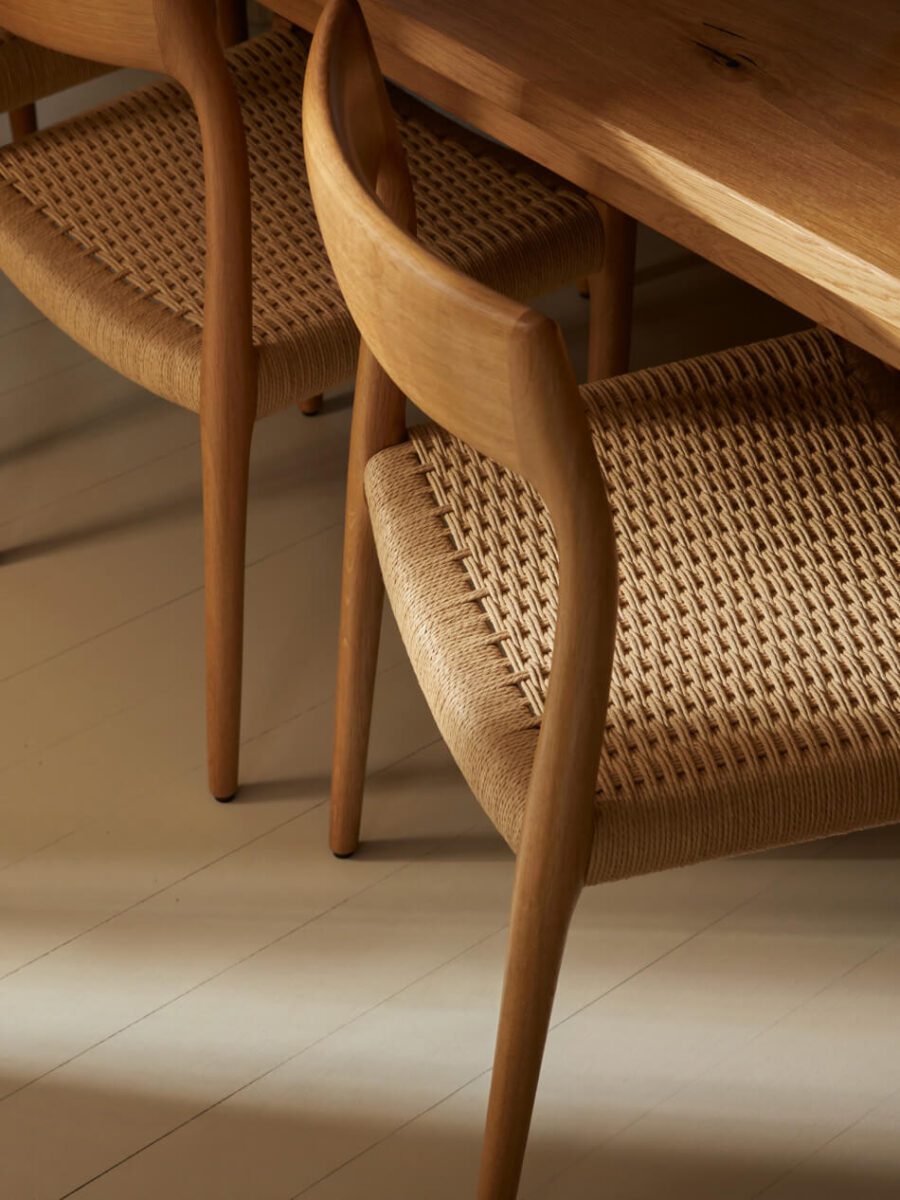
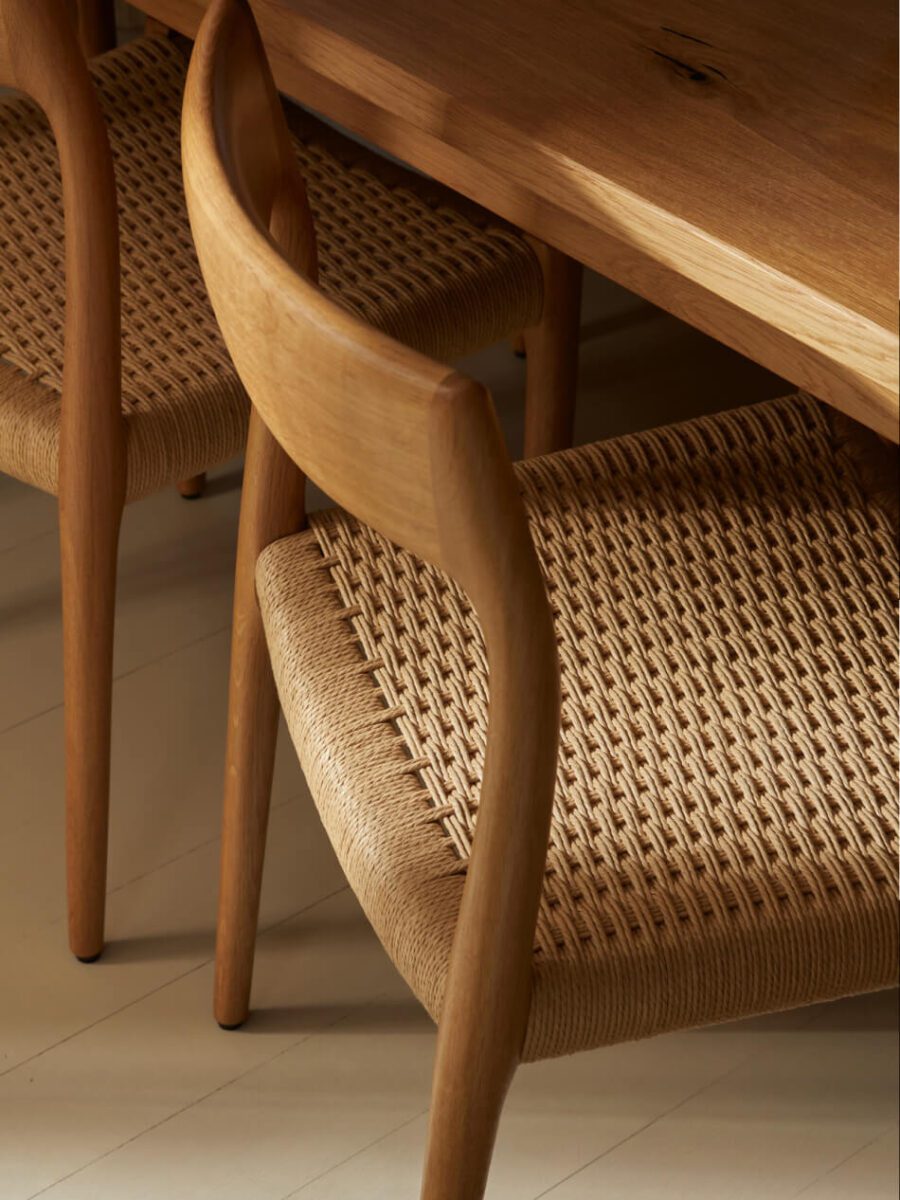
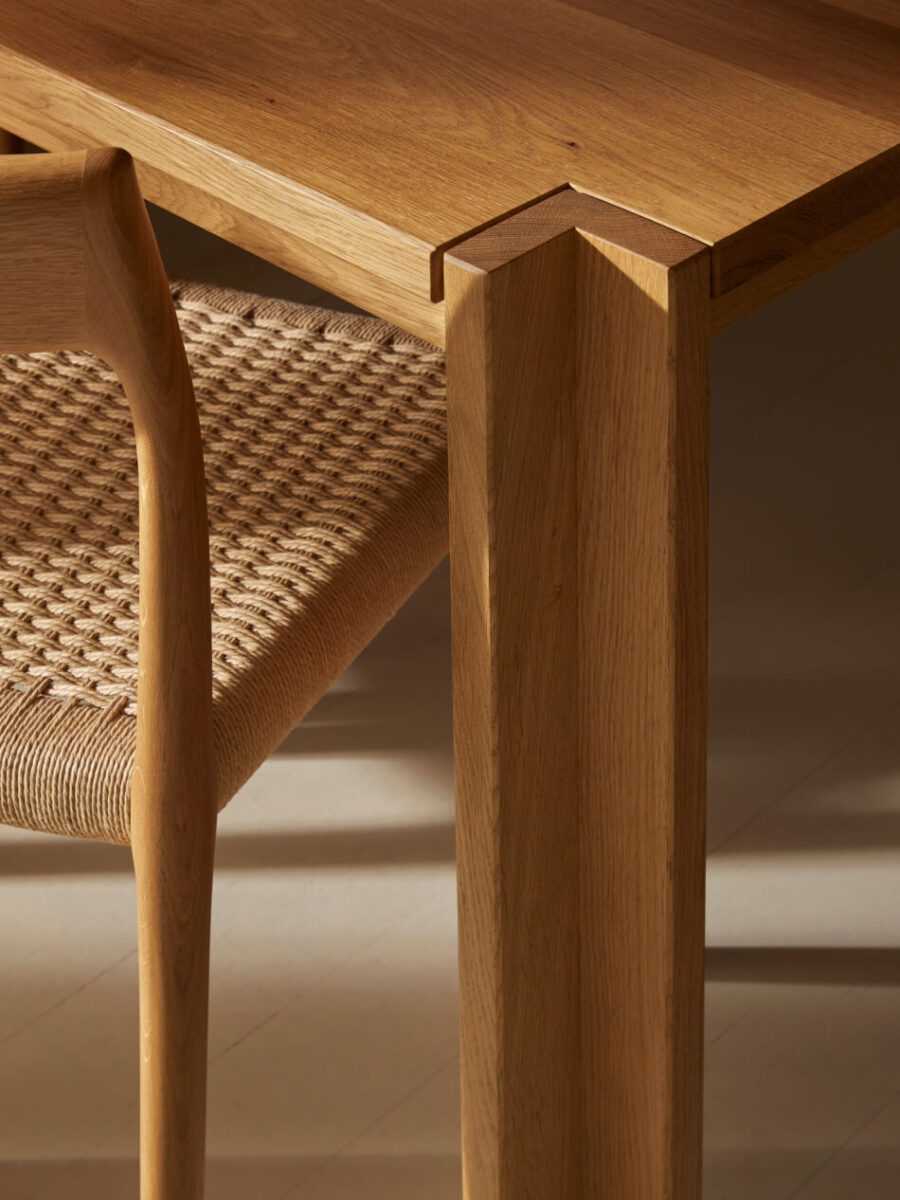
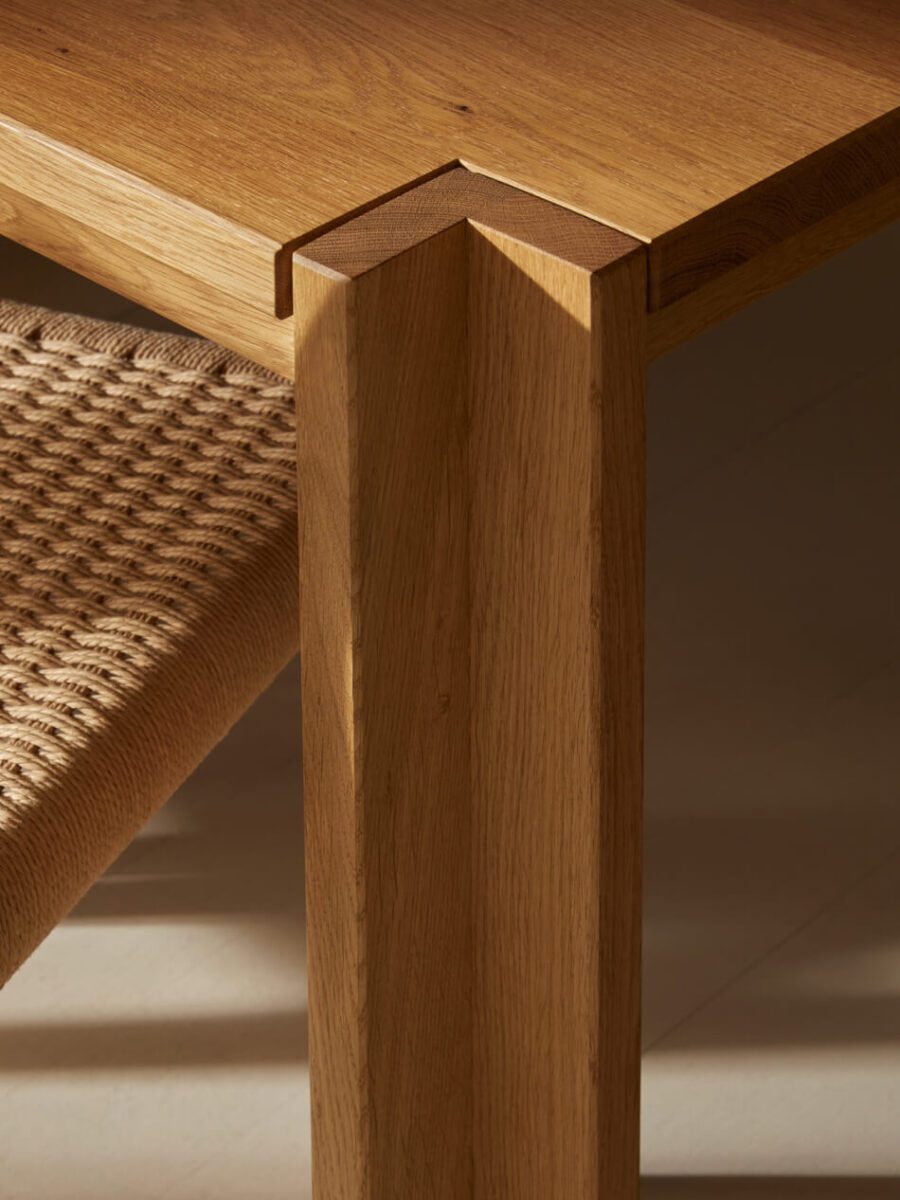
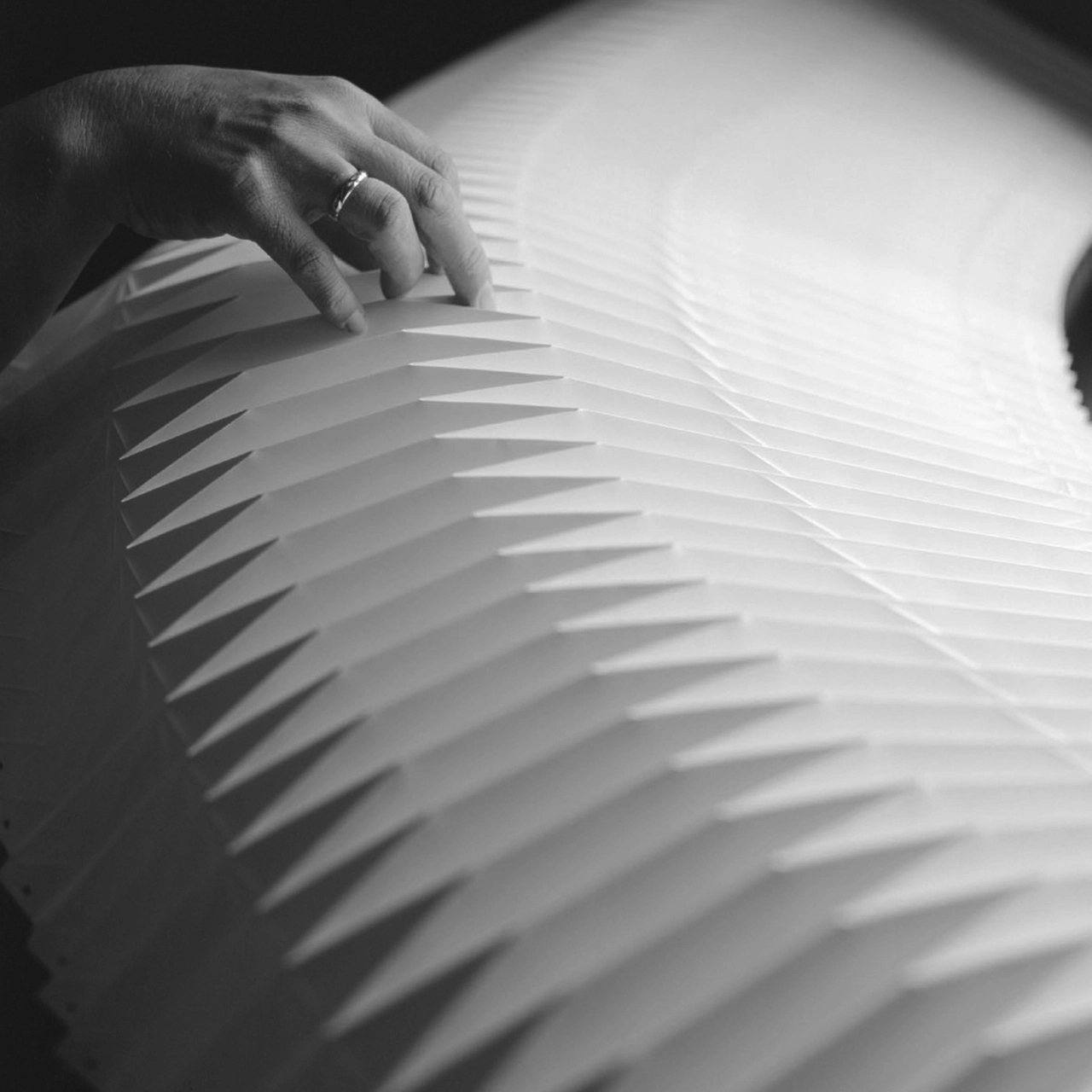
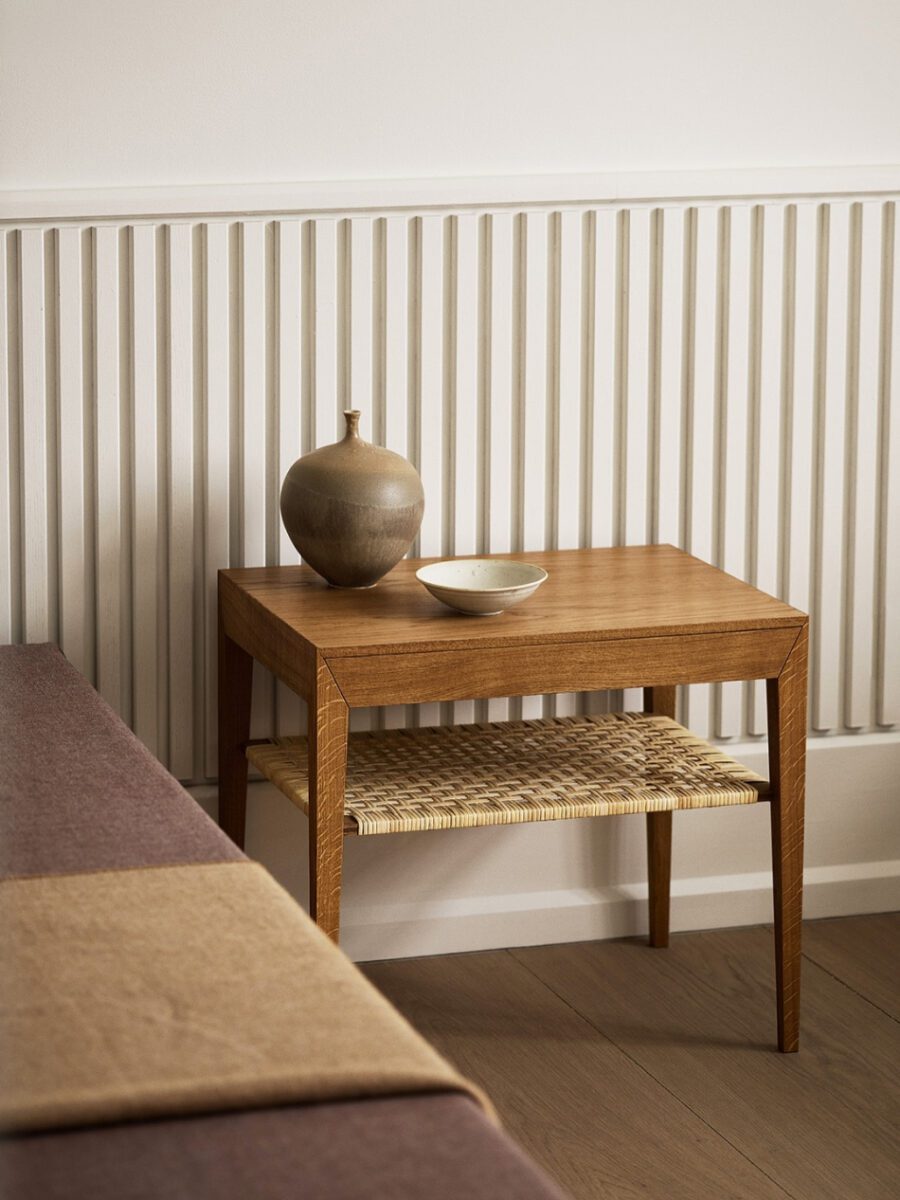
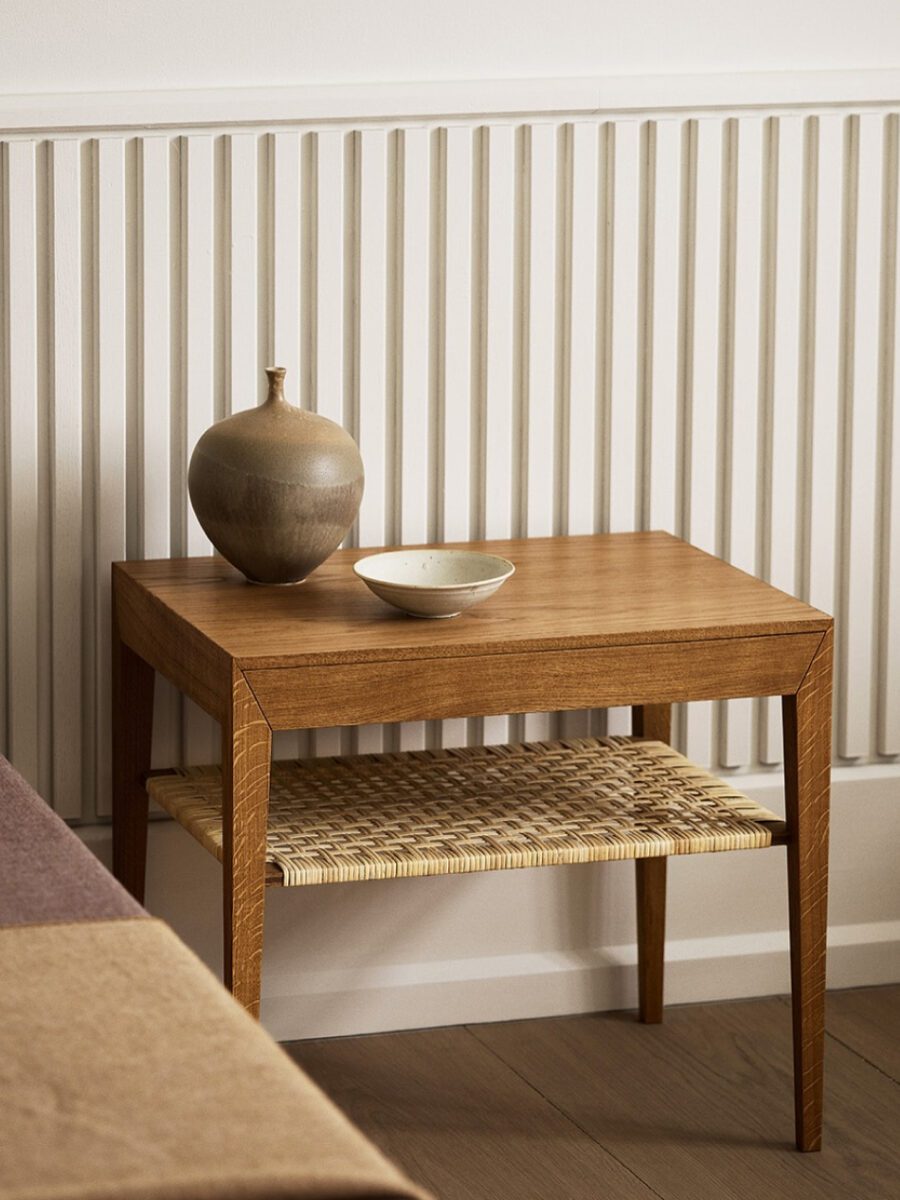
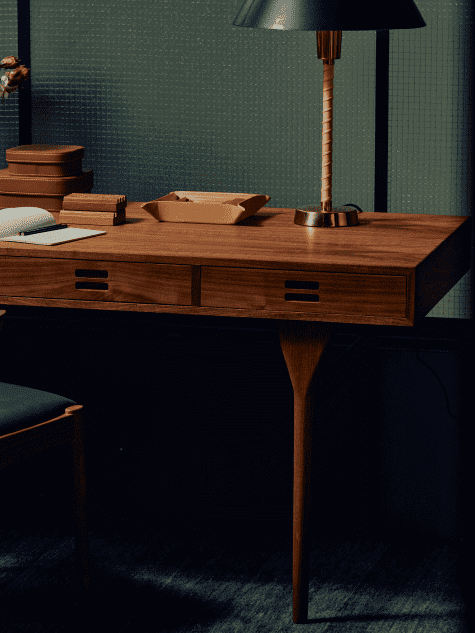
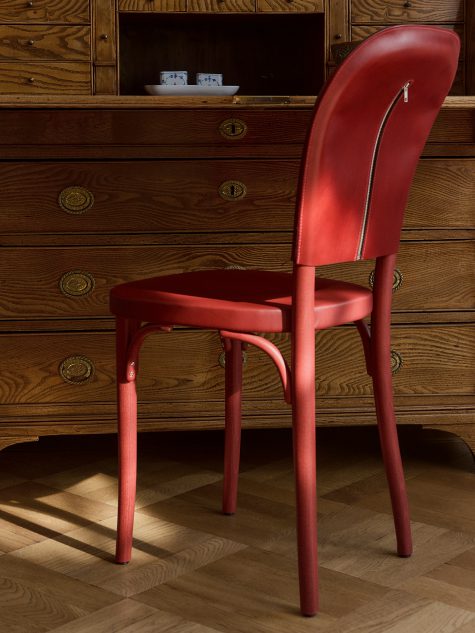
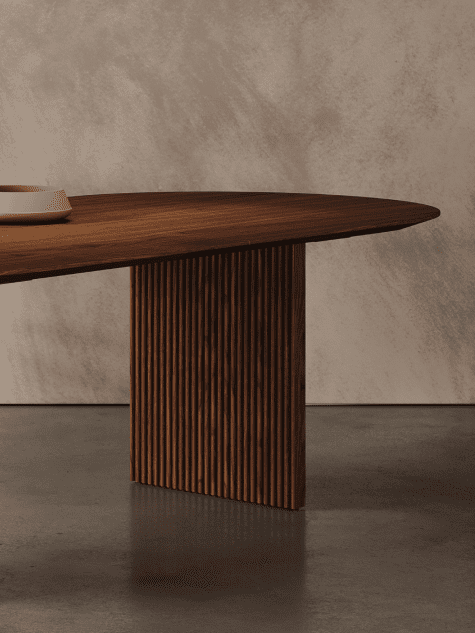
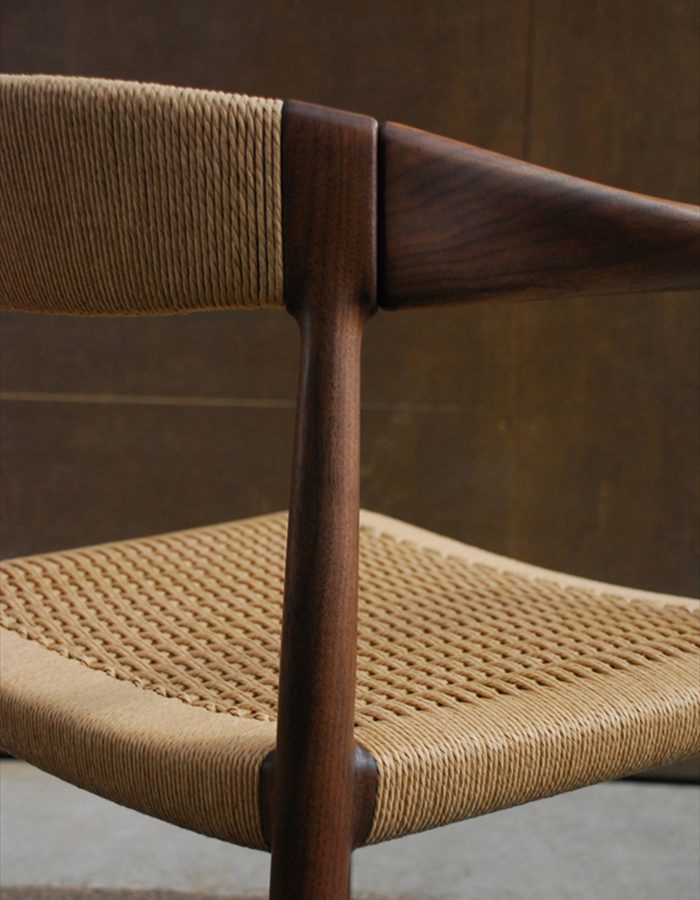
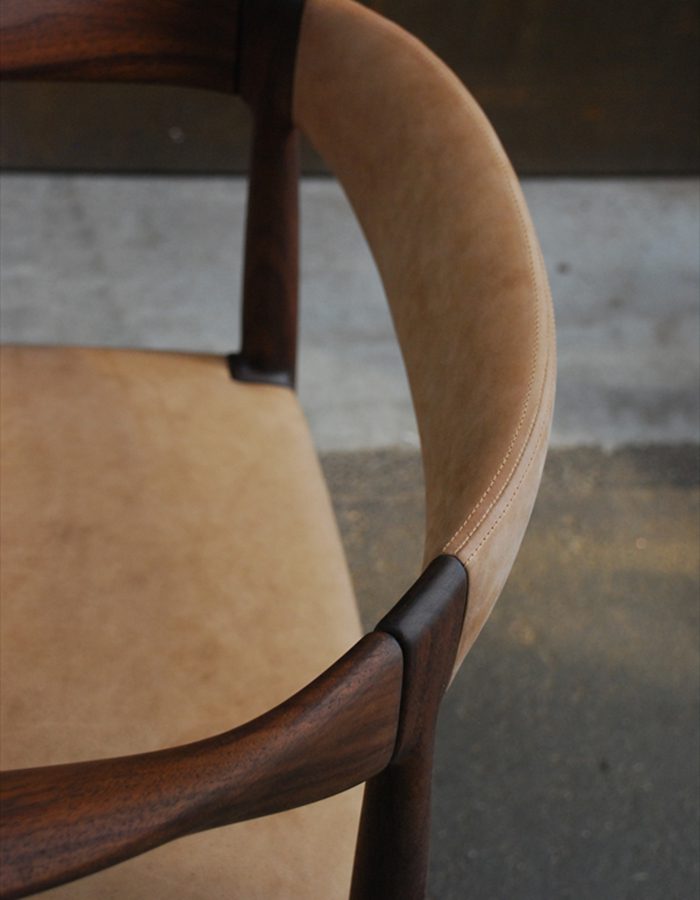
The Danes have always had a strong respect for the cabinetmaker, the upholsterer, the joiner and the people whose hands turn an idea into a beautiful object. The workshop was as important as the drawing board. The meeting of two pieces of timber or the way a drawer closes are details are easy to overlook, but they are often what separates something that is merely well designed from something that has been genuinely well made.

KEEPING THINGS FOREVER

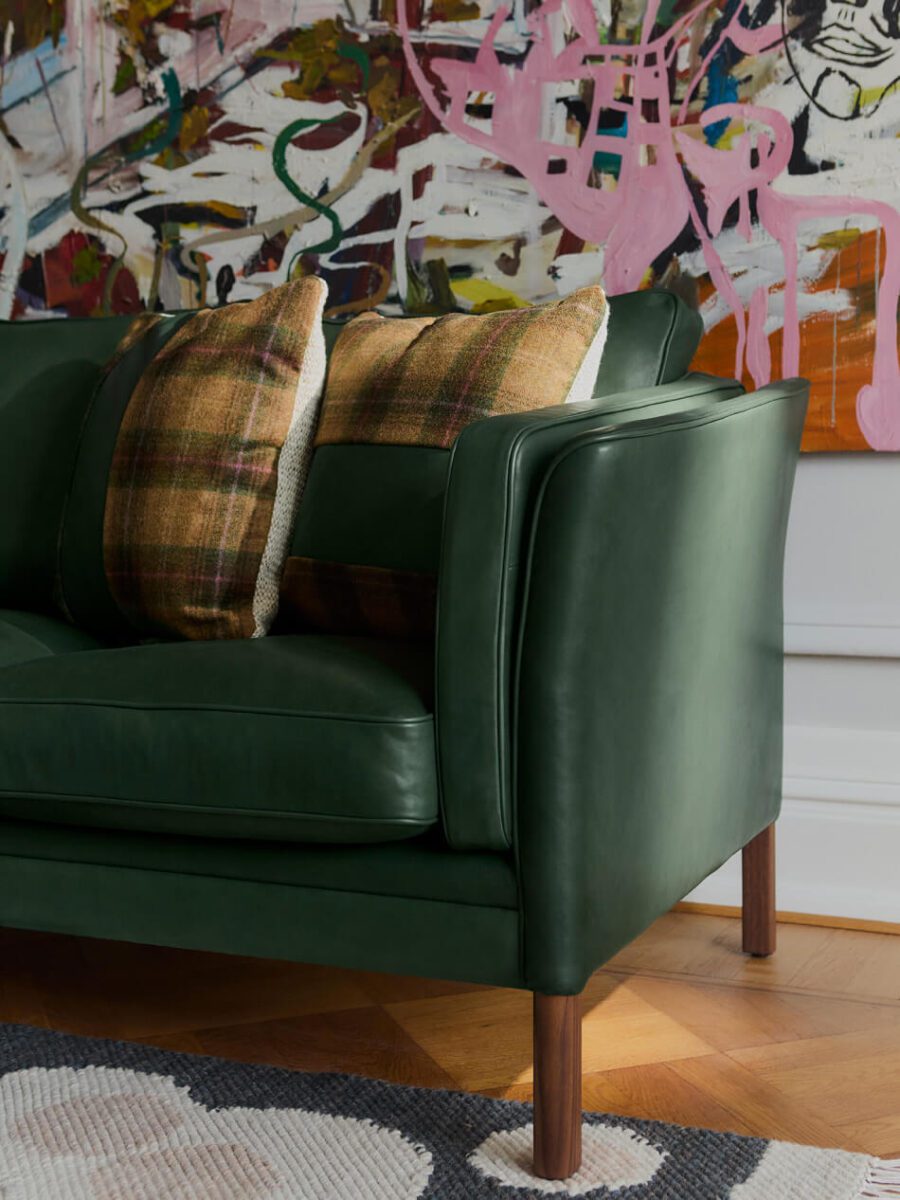
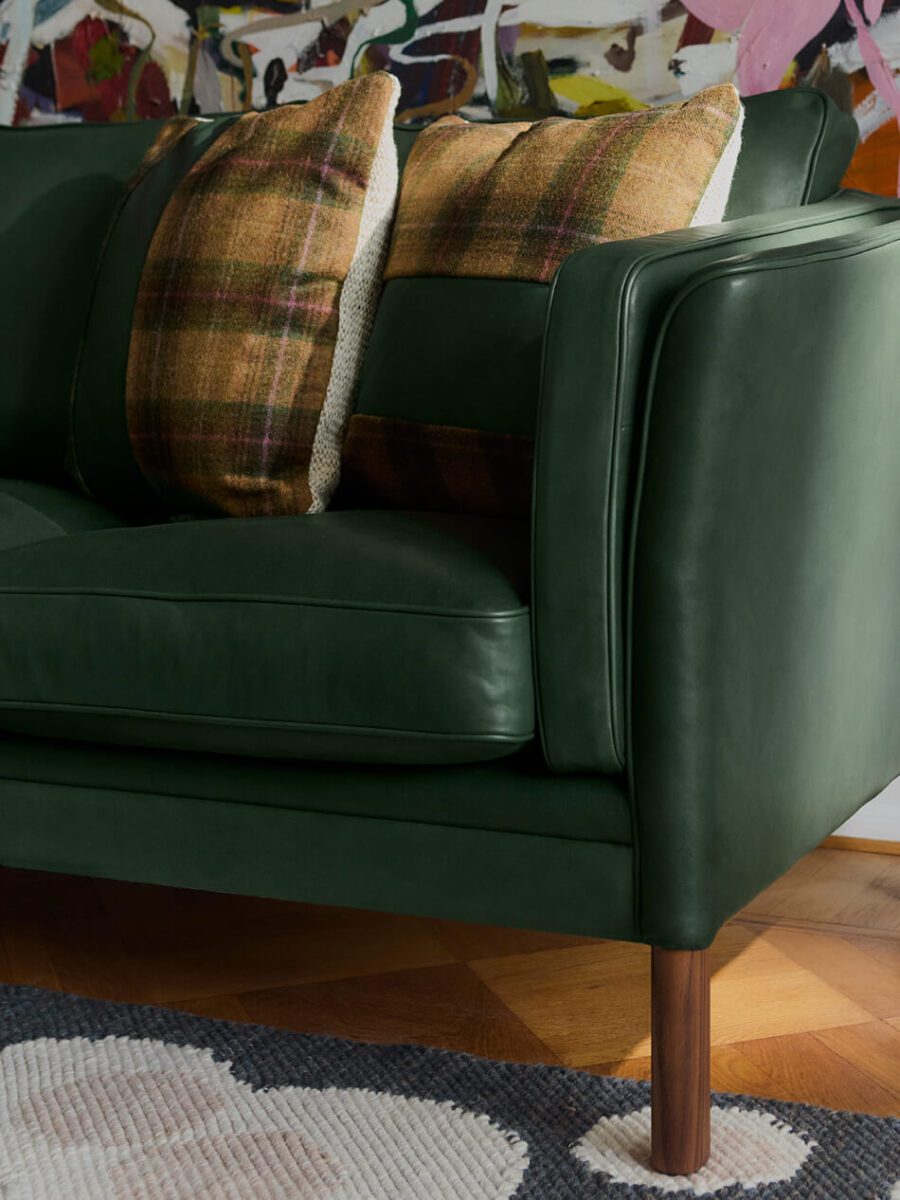
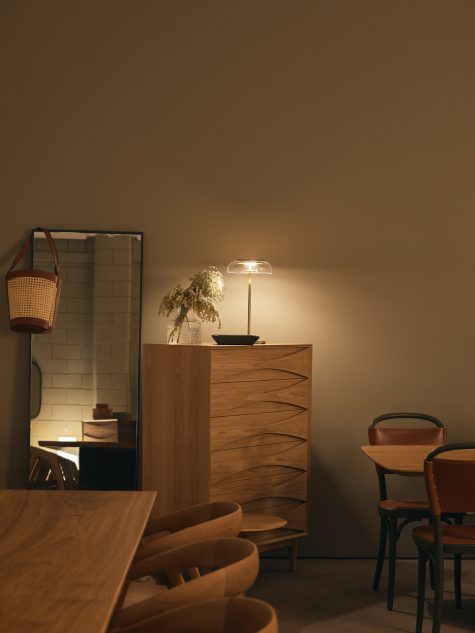
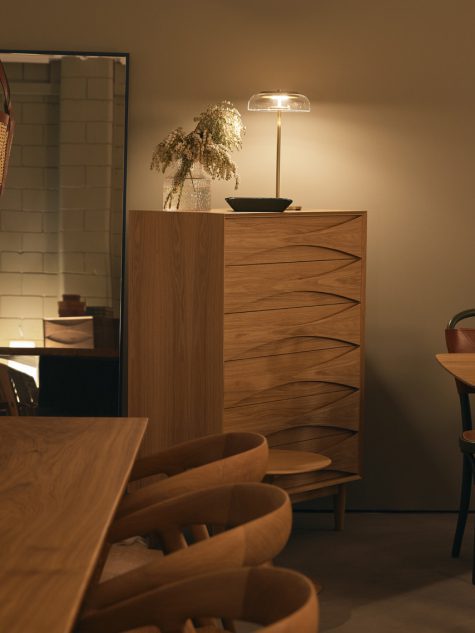
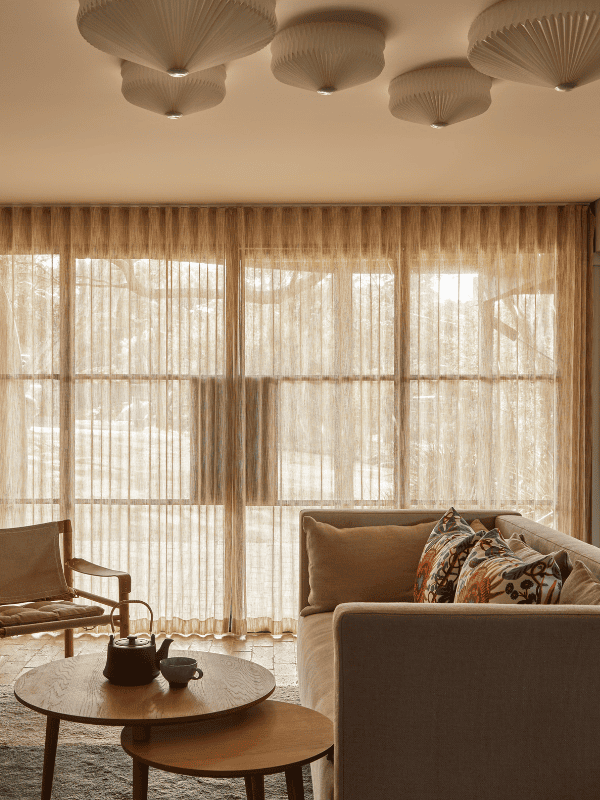
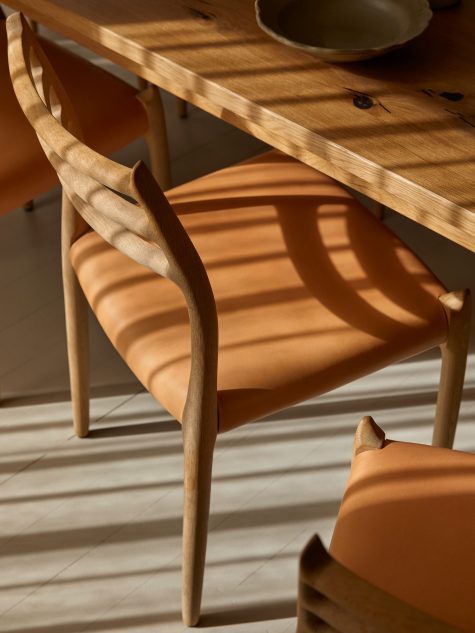
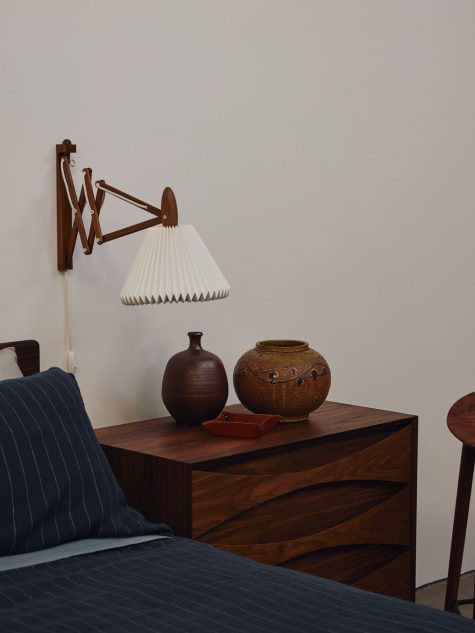
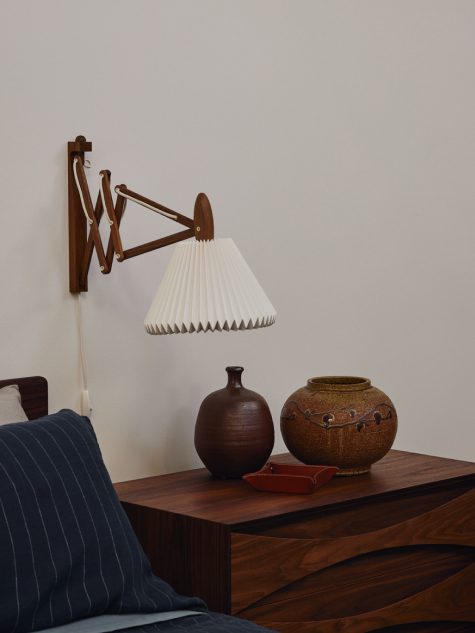
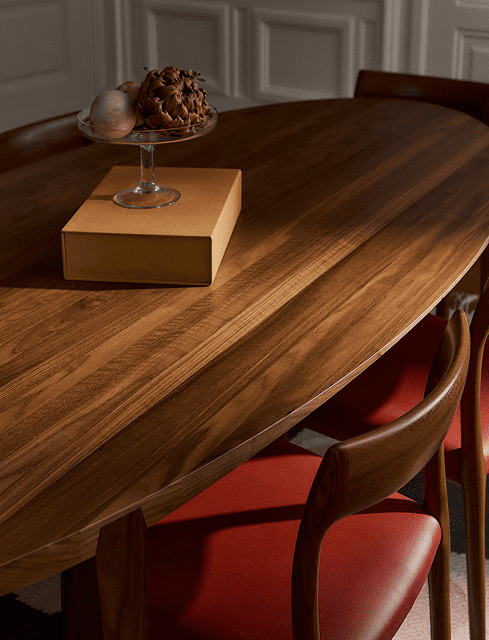
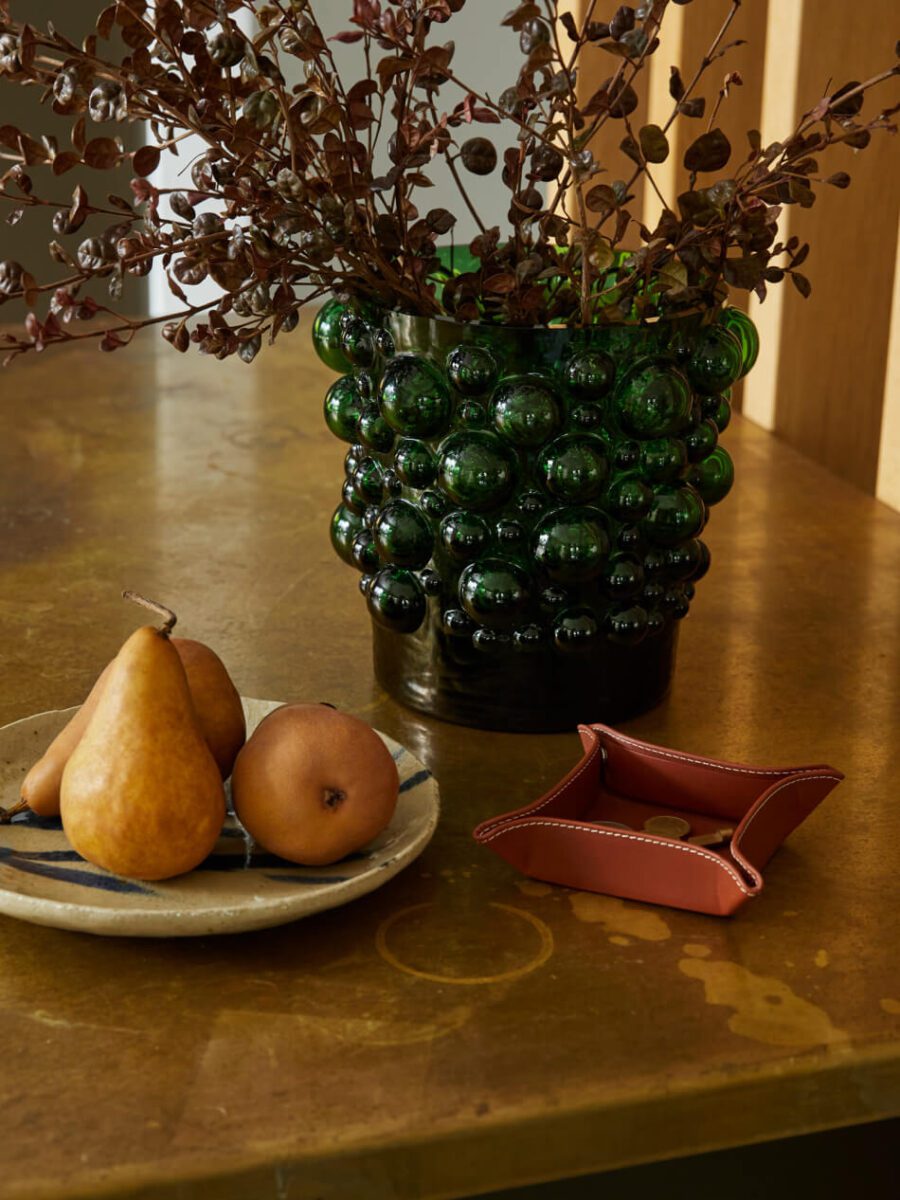
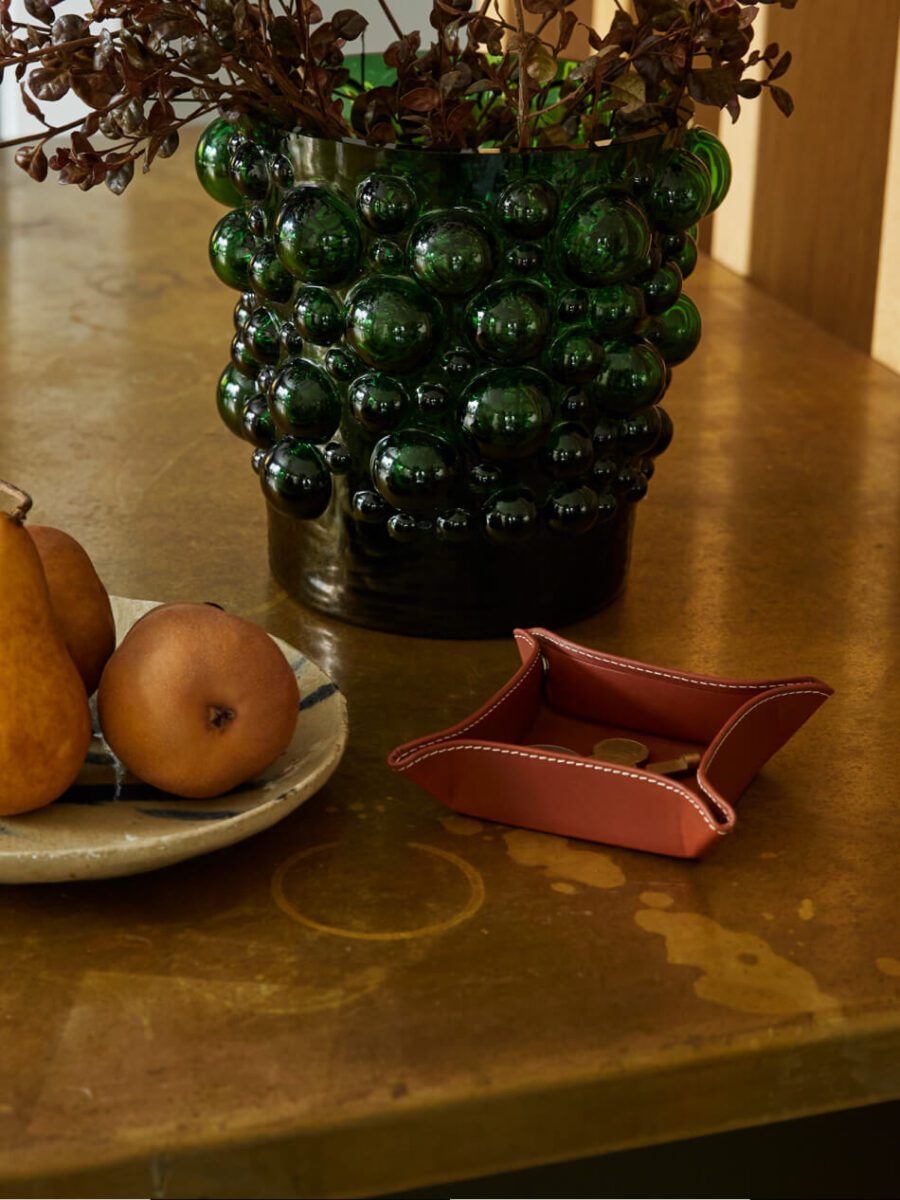
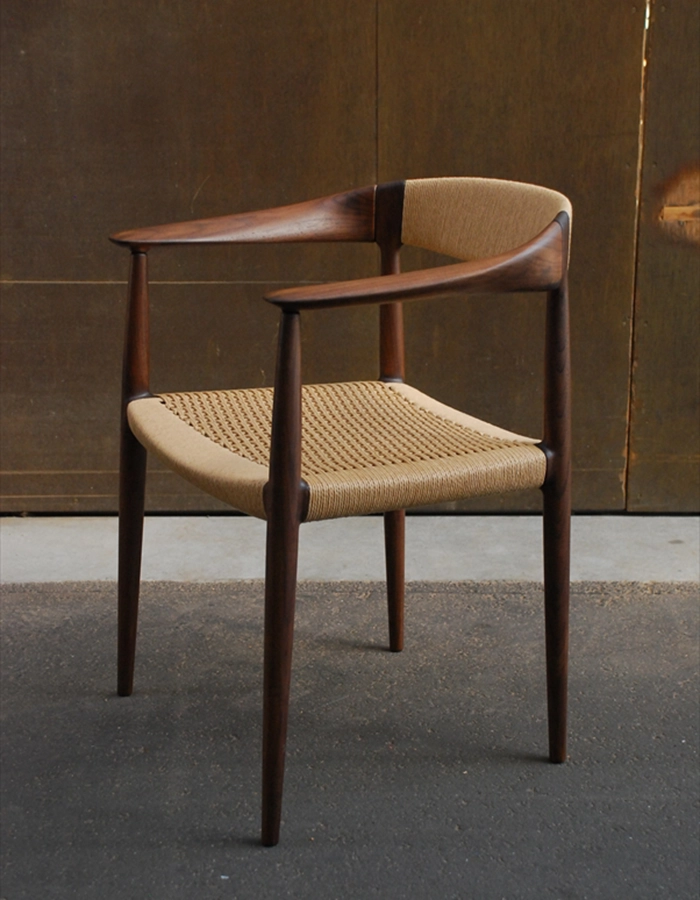
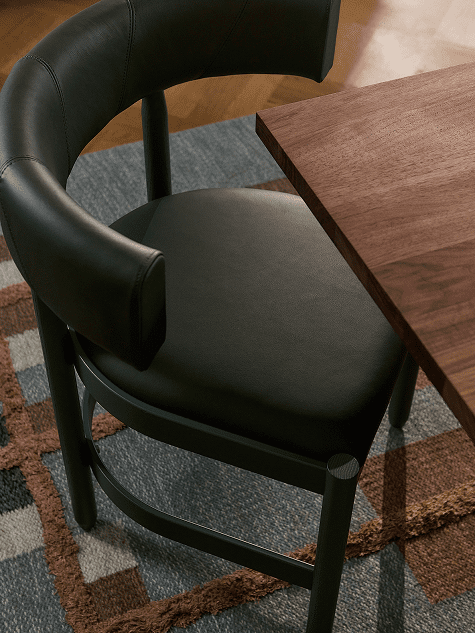
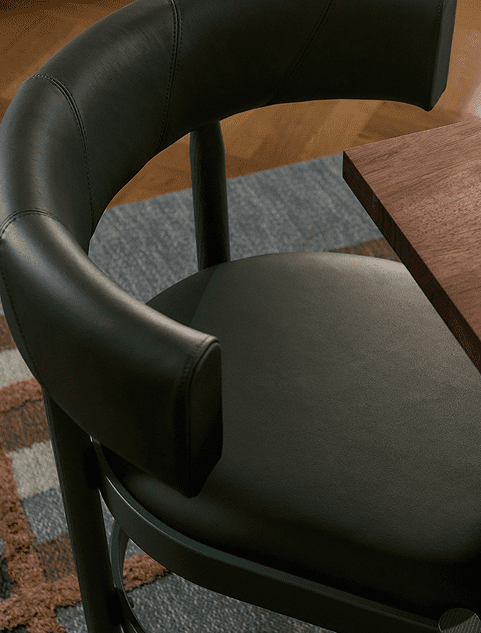
Perhaps the most enduring thing about Danish design is not a particular look, but an attitude towards ownership. Not everything needs to be new, and not everything needs to be replaced. A good object is worth keeping, and keeping well. Furniture is expected to live and age with you. With time, timber develops a richer colour, leather softens, and small marks become evidence of a good life.

CRAFTING A LEGACY

There is no denying that great Danish designers gave the world beautiful furniture, but perhaps their even greater contribution was a different way of thinking about what beautiful furniture could be. Something can be useful and beautiful. It can be modern without being temporary. It can belong to its time without being trapped in it. And it can be made with enough care that another generation might long to keep it.